
Understanding Crystal Healing and Anatomy & Physiology Through Structured Learning
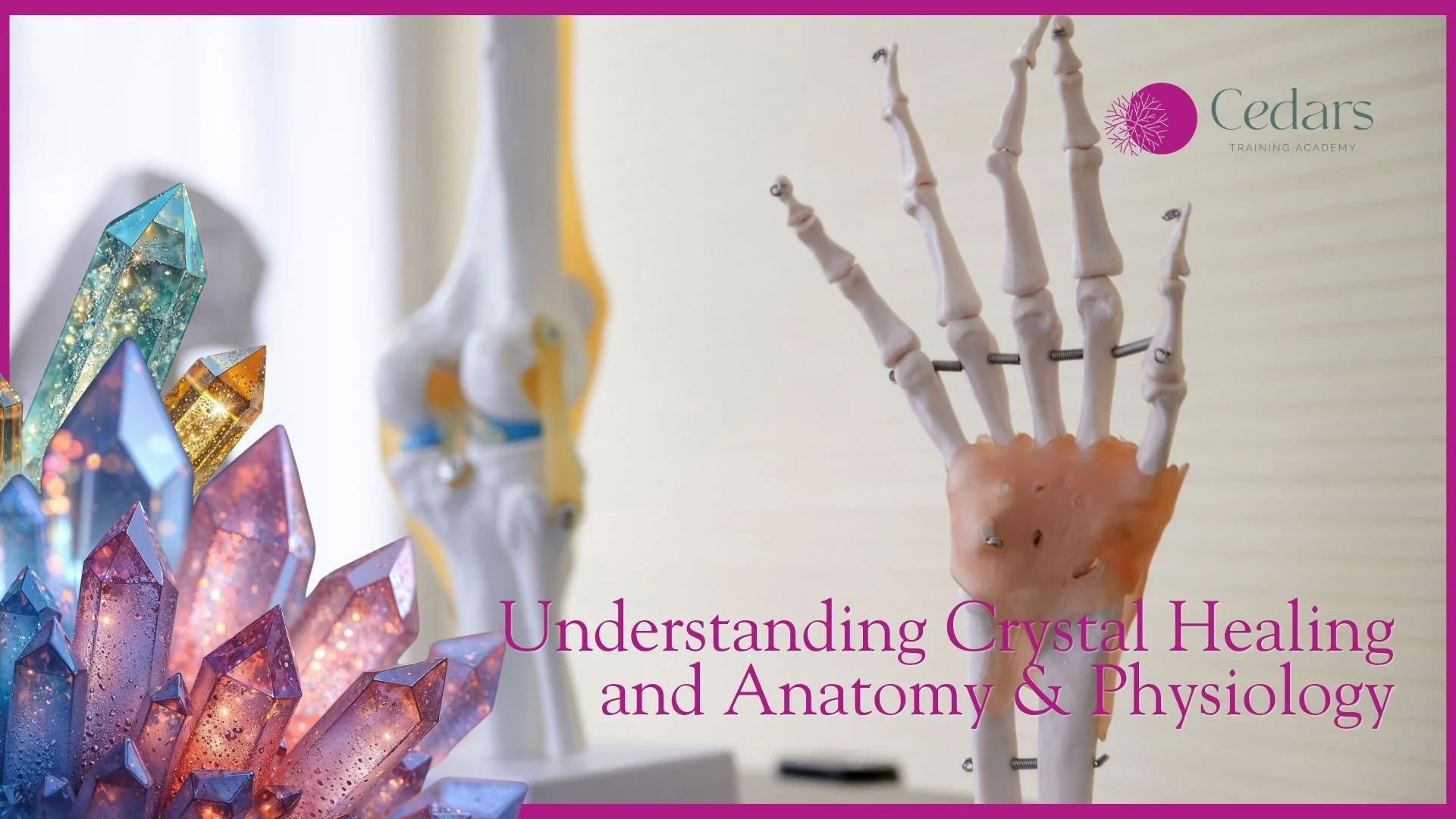
In an era where knowledge is increasingly accessible, online learning has become a powerful tool for anyone looking to deepen their understanding of complex subjects. Cedar Training Academy offers professionally designed online courses that give learners both clarity and flexibility in their learning journey. Two areas that offer both theoretical insight and practical applications are crystal healing and anatomy & physiology. While one explores the energetic aspects of wellbeing, the other provides a scientific understanding of the human body. Both are valuable for learners interested in holistic wellness, healthcare, or personal development.
Structured learning in these fields not only provides foundational knowledge but also encourages critical thinking, ethical awareness, and the ability to apply concepts in real-world contexts.
Crystal Healing Foundations Course
Crystal healing is part of the broader field of complementary and holistic wellness. Although it does not replace conventional medical treatments, understanding its principles academically allows learners to approach it responsibly and with clarity.
Introduction to Crystal Healing
At its core, crystal healing involves the belief that certain stones or crystals can interact with human energy fields. Practitioners often use crystals to promote balance, clarity, or emotional wellbeing. While the science behind energy healing is still emerging, structured education ensures learners gain a well-rounded understanding of historical, cultural, and practical perspectives.
Key Areas of Study
1. Types of Crystals and Their Properties:
Learners explore a wide variety of crystals, including quartz, amethyst, rose quartz, and more. Each crystal is studied in terms of its structure, composition, and traditional associations with different aspects of emotional, mental, or spiritual wellbeing. Understanding these properties allows learners to use crystals thoughtfully and responsibly.
2. Energy Principles in Crystal Healing:
Courses cover the concept of energy fields, chakras, and how crystals are traditionally believed to influence human energy. Students gain insight into how energy-based wellness practices are applied in holistic therapies.
3. Practical Techniques and Applications:
Learners are introduced to techniques for placing, holding, or meditating with crystals. Guidance focuses on safe, ethical, and mindful practices, helping learners integrate crystal work into personal wellness routines.
4. Historical and Cultural Context:
Crystal healing has a rich historical background. Structured study examines the origins of crystal use across cultures, including ancient civilizations where crystals were used for ceremonial or medicinal purposes. This awareness fosters respect for cultural heritage and responsible practice.
5. Integration with Modern Wellness Practices:
Understanding how crystals work complements practices like mindfulness, meditation, and relaxation techniques, allowing learners to see practical applications of the knowledge. This holistic perspective encourages a balanced approach to personal wellbeing.
Benefits of Learning Crystal Healing
Structured study in crystal healing helps learners:
Develop a foundational understanding of energetic wellness.
Approach practices with responsibility and awareness.
Integrate theoretical knowledge with practical routines.
Understand the historical, cultural, and ethical aspects of the field.
By examining crystal healing academically, learners gain clarity and context that enhances both personal and professional understanding of this holistic practice.
Access the course:
Crystal Healing Foundations Course
Anatomy & Physiology Course
Anatomy and physiology are essential disciplines within health sciences, providing insight into the structure, function, and interconnection of the human body. Understanding these subjects is valuable for anyone pursuing careers in healthcare, therapy, wellness, or education.
Introduction to Anatomy & Physiology
Anatomy focuses on the structure of the body from cells and tissues to organs and systems, while physiology explains how these structures function individually and collectively. A comprehensive understanding of anatomy and physiology allows learners to interpret how the body responds to internal and external factors, maintain health, and support wellbeing.
Core Areas of Study
1. Body Systems Overview:
Learners study major systems, including:
Cardiovascular System: Understanding the heart, blood vessels, and circulation.
Respiratory System: Learning how oxygen is transported and carbon dioxide expelled.
Musculoskeletal System: Study of bones, muscles, and movement mechanics.
Nervous System: Insights into brain function, signal transmission, and reflexes.
Digestive and Endocrine Systems: Understanding digestion, metabolism, and hormone regulation.
2. Cells and Tissues:
The course examines cellular structure, tissue types, and their roles in maintaining overall body function. Knowledge of cells and tissues forms the basis for understanding more complex body systems.
3. System Interactions:
A key component of learning is understanding how different systems interact to sustain homeostasis. For example, how the respiratory and cardiovascular systems work together to transport oxygen efficiently.
4. Key Terminology and Concepts:
Mastery of common anatomical and physiological terminology helps learners communicate effectively in professional, academic, or personal wellness contexts.
5. Practical Applications:
Knowledge of anatomy and physiology supports practical skills in health, therapy, and wellness. Understanding body function informs safe exercise routines, stress management, and preparation for advanced medical or wellness training.
Benefits of Studying Anatomy & Physiology
Learners who explore anatomy and physiology gain:
A scientific understanding of the human body.
The ability to apply concepts in real-life scenarios, from exercise to therapy practices.
A foundation for further study in healthcare, nutrition, physiotherapy, or wellness.
Insight into how lifestyle choices affect body function and health.
Structured learning in anatomy and physiology encourages not just memorization, but deep comprehension, supporting lifelong application of knowledge.
Access the course:
Anatomy & Physiology Online Course
The Value of Knowledge-Focused Learning
Focusing on knowledge and understanding rather than marketing or sales allows learners to engage meaningfully with a subject. Both crystal healing and anatomy & physiology courses provide:
Conceptual frameworks that connect theory to practice.
Ethical and cultural awareness for the responsible application of knowledge.
Analytical skills to interpret information critically.
Foundational understanding that supports further education or personal development.
By prioritizing learning over promotion, learners gain skills and insights that are relevant, practical, and enduring.
Conclusion
Both crystal healing and anatomy & physiology offer rich, structured learning opportunities. Crystal healing provides insight into energy-based wellness practices, exploring the history, principles, and practical applications of crystals. Anatomy and physiology offer a scientific understanding of the human body, explaining the structure and function of its systems and supporting knowledge that underpins health and wellness practice.
Engaging with these subjects through structured courses allows learners to develop awareness, deepen understanding, and build knowledge that can be applied in personal, professional, or academic contexts.
Through focused study, learners acquire clarity, insight, and practical understanding that is both meaningful and lasting.
